
Make it feel lived-in, before it exists


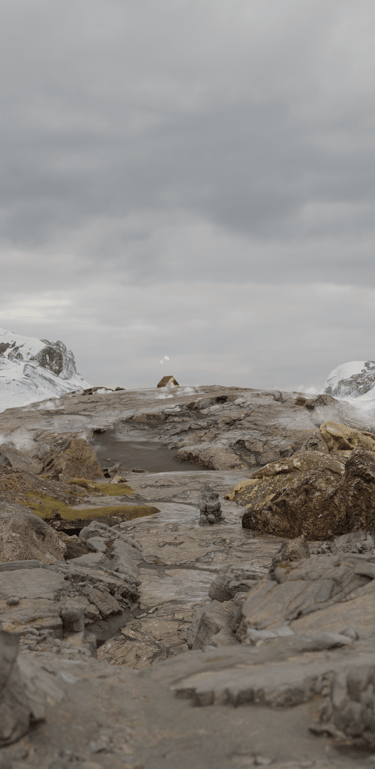
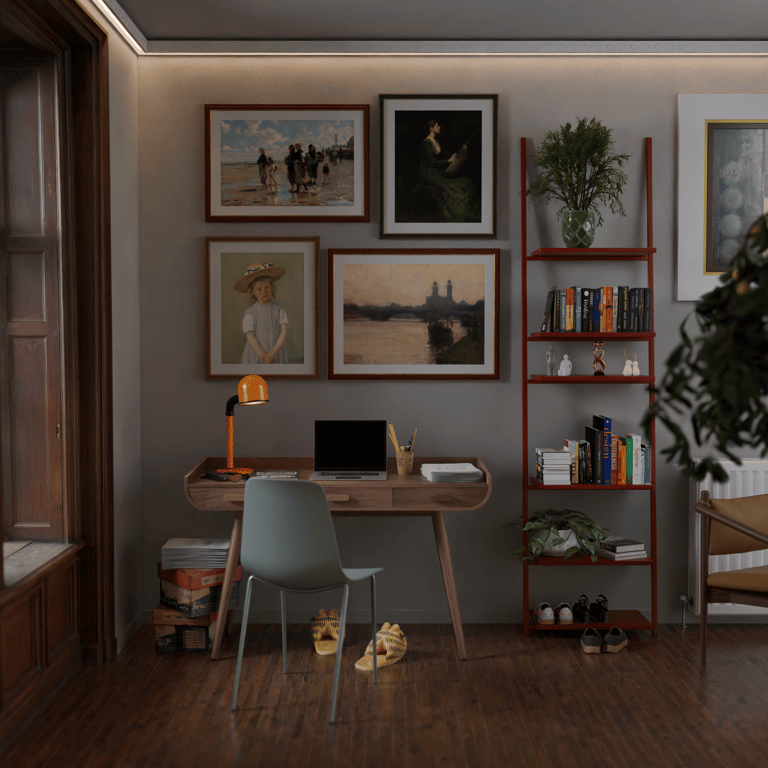
Projects
Photorealistic renders to showcase every detail
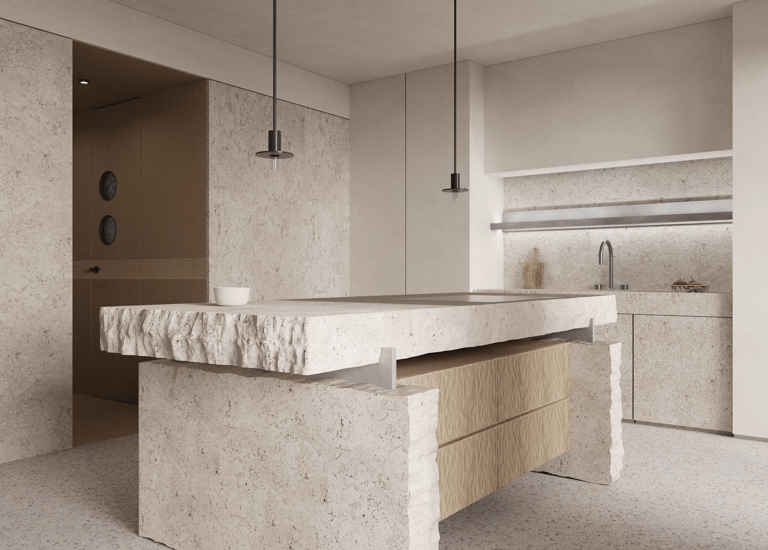
A I M
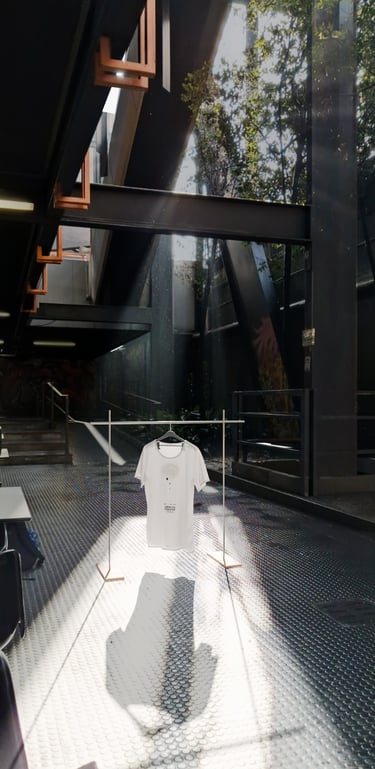
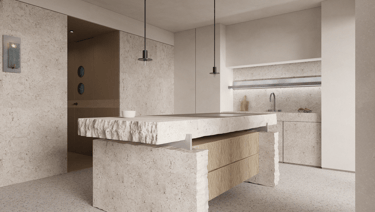
In collaboration with A I M studio, we created interior renders for two residential projects.
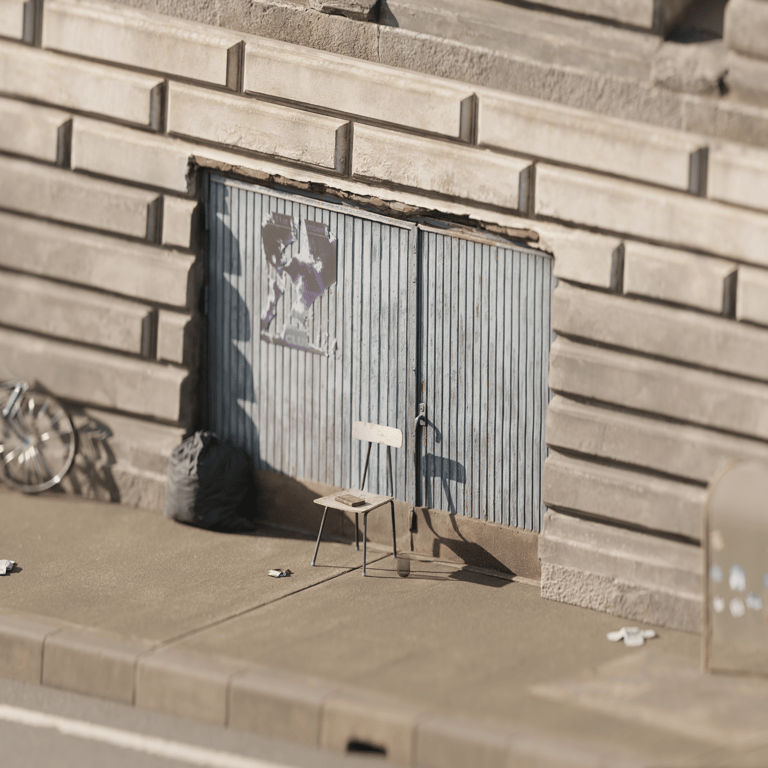
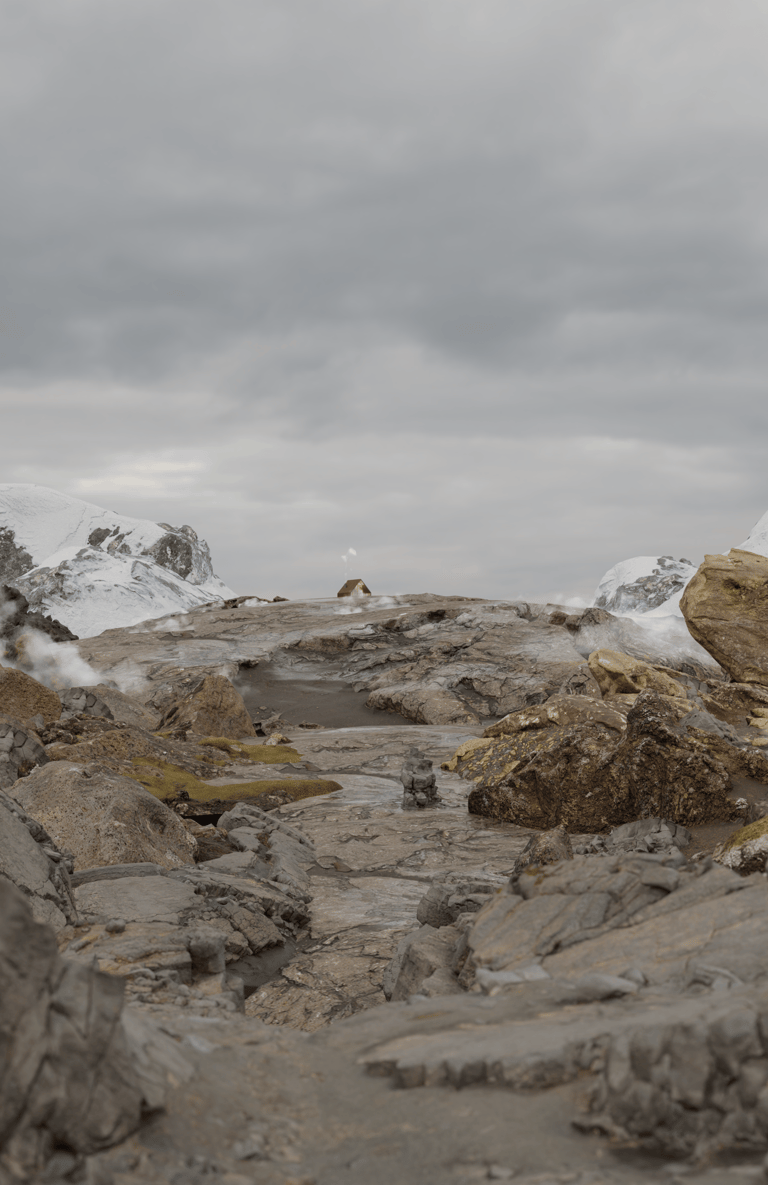
Clean, photorealistic images shaped by light and materiality, designed to highlight spaces, atmosphere, and key design details.
Philosophy
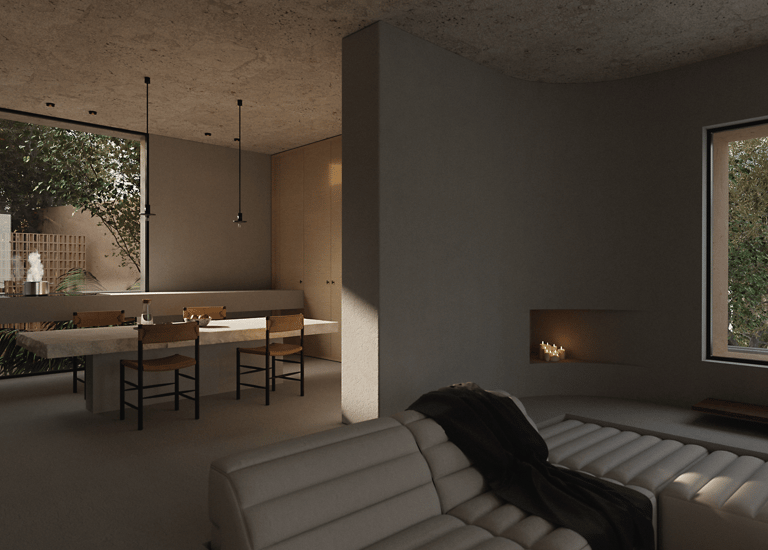
We believe a render shouldn’t just show a project, it should make it feel real.
Light is our main design tool: it shapes volume, reveals materiality, and builds believable atmosphere. We aim for essential realism, clean composition, controlled detail, consistent mood, so architects and real estate teams can align faster, approve sooner, and sell with confidence.
How Our 3D Rendering Studio Works
01 Send Your Brief
To get started, share your project details with us via email. Once we receive your brief, our team reviews it carefully and proposes the most efficient approach, balancing quality, timing, and budget. From there, we begin production with your goals as the priority.
02 Provide Feedback
A dedicated project manager coordinates communication throughout the process. We include up to three revision rounds, and each update goes through refinement, post-production, and rendering to ensure the result matches your expectations.
03 Receive Your Final 3D Visualization
We deliver your completed visuals in your preferred format within the agreed timeline, while maintaining high production standards from start to finish.
FAQs
What is Ramen Studio?
RAMEN Studio is a creative studio focused on architectural visualization: producing photorealistic renders, films/animations, and immersive VR/360° experiences to make unbuilt projects feel real before construction.
R.A.M.E.N. = Realistic Architectural Media & Experiential Narratives.
What does 3D architectural rendering mean?
It’s the process of turning architectural drawing, such as plans, sections, and elevations,into visuals that communicate a design proposal clearly. Through 3D visualization, teams can present spaces in a way that helps clients and stakeholders understand the concept and the intended atmosphere. Immersive virtual experiences can also place the project in realistic contexts, improving comprehension. Photorealistic renders are often used both for impactful “hero” images and for more technical sets that support option comparisons and value engineering, offering a strong tool during review and approval stages.
How long does it take to produce a 3D render?
Timing varies based on the project’s scope, the level of detail requested, and overall complexity. Single still images usually have a faster turnaround, while animations or multi-building deliverables typically require more time. When requirements are clearly defined, the workflow tends to be quicker. especially if the team uses efficient rendering software, up-to-date technology, and a well-structured production pipeline.
What different types of 3D rendering are available?
3D rendering can take several forms, including still architectural images, animations, 3D floor plans, and virtual tours. Each option supports a different goal—ranging from presenting the overall concept to explaining interior layouts and functionality. In many projects, studios combine multiple formats: 3D floor plans help clarify room organization and furniture placement, while animations and virtual tours offer immersive, photoreal previews that highlight circulation, lighting, and the project’s overall look and feel.
What is the typical price of 3D architectural rendering?
Pricing can vary significantly depending on the project’s size, complexity, and the level of CGI realism required. Costs often start from a few hundred dollars and can reach several thousand for more demanding deliverables. Sharing your budget and expectations with a rendering studio is the best way to define a solution that fits your needs without overspending.
What are the benefits of using 3D rendering services?
3D rendering improves communication with clients by making the design easier to understand and visualize. It also supports better decision-making early in the process, helping teams align expectations and avoid costly changes later. These advantages often translate into higher client satisfaction and a smoother, more efficient workflow for architects and designers. Renderings can also be used to test options against budget limits, compare finishes and materials, and present concepts in a way that appeals to potential buyers—strengthening both the project’s outcome and the overall impact of the proposal.
What do you need to get started?
Ideally: floor plans (PDF/DWG), sections and elevations, an optional 3D model (SKP/FBX/RVT/IFC), material/finish specs, visual references (moodboard), and the list of required images.
Can you produce variants (day/night, materials, furniture)?
Yes. We manage variants in a modular way: same camera, same mood, targeted changes (materials, lighting, staging) while maintaining consistency.
Can you create the 3D model if I don’t have one?
Yes. We can model from 2D drawings and technical documentation. In that case, we start with a consistency check (proportions, dimensions, openings) before setting up camera views.
What image resolution can I get?
Standard: 4K for marketing and presentations. On request: larger formats for print, billboards, or large-scale displays.
Do you handle furniture, vegetation, and context?
Yes. We can work with professional asset libraries or follow precise client specifications (brands, products, specific furniture). For context, we can recreate the site or simplify it depending on the goal.
Do you also create animations or 360° tours?
Yes: animations, walkthroughs, 360°, VR, and content for social/ads. We can help you choose the most effective format for your channels.